
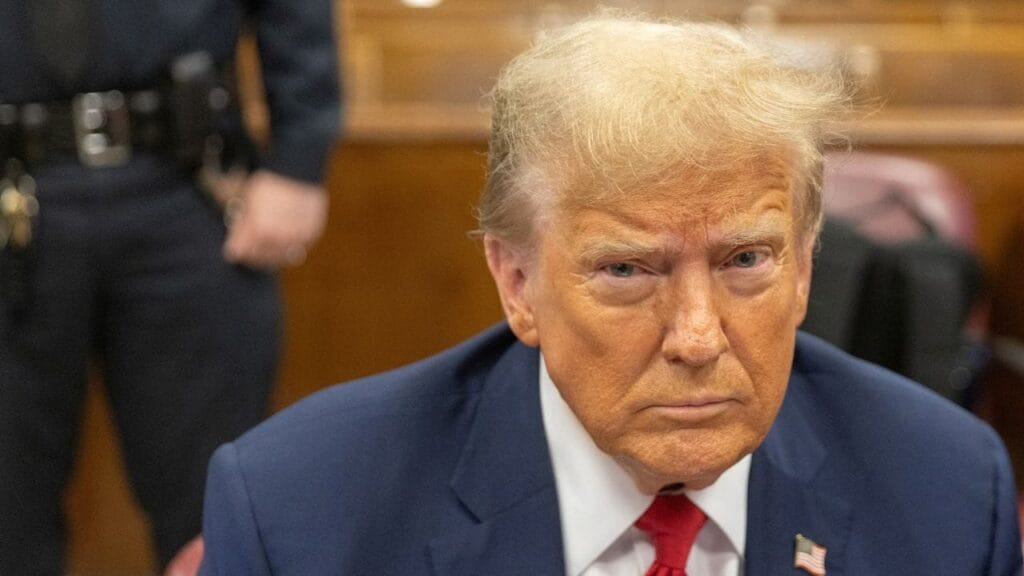
Trump House Testimony Sparks Political Storm in Washington
The recent Trump House testimony has become the center of a nationwide storm. What began as a routine hearing quickly escalated into a defining moment for American politics. Lawmakers, analysts, and citizens are now debating not only the content of the testimony but also its broader impact on democracy, accountability, and the future of governance.
The Testimony That Shook Washington
The Trump House testimony was expected to be a straightforward session. Instead, it revealed deep divisions within Congress. Supporters hailed it as a defense of constitutional rights, while critics argued it exposed flaws in political accountability.
The hearing highlighted how testimony in high‑profile cases can shape public perception far beyond the walls of Capitol Hill.
Political Reactions to Trump House Testimony
Lawmakers reacted sharply. Some Republicans framed the testimony as proof of political overreach, while Democrats emphasized the need for transparency. The clash underscored how testimony can become a political weapon, influencing narratives ahead of elections.
Public Opinion and Media Coverage
The Trump House testimony dominated headlines across major outlets. Social media amplified the debate, with hashtags trending globally. Citizens expressed frustration, support, and skepticism, showing how testimony can polarize public opinion.
Media framing played a crucial role. Outlets sympathetic to Trump highlighted his resilience, while critics focused on inconsistencies. This dual narrative reflects the fragmented state of modern political discourse.
Legal Implications of Trump House Testimony
Beyond politics, the testimony carries legal weight. Analysts suggest it could influence ongoing investigations and future proceedings. The testimony raised questions about executive privilege, accountability, and the limits of congressional oversight.
Legal experts warn that testimony in such cases often sets precedents that shape future hearings.
Historical Context: Testimony in American Politics
The Trump House testimony is not the first to spark controversy. From Watergate to Clinton’s impeachment hearings, testimony has often reshaped political landscapes. Each case reminds us that testimony is more than words — it is a test of democratic resilience.
By placing Trump’s testimony in this historical context, we see how political accountability evolves over time.
Impact on Upcoming Elections
The testimony may influence voter sentiment. Analysts believe it could energize Trump’s base while raising doubts among undecided voters. The Trump House testimony has already become a talking point in campaign speeches, signaling its importance in shaping electoral narratives.
Election strategists are watching closely, knowing that testimony can sway public opinion in unpredictable ways.
Global Reactions to Trump House Testimony
International observers also weighed in. Foreign media outlets framed the testimony as evidence of America’s political turbulence. Allies expressed concern about stability, while rivals used it to question U.S. credibility.
The global attention shows how testimony in Washington resonates far beyond American borders.
Democracy and Accountability
At its core, the Trump House testimony raises fundamental questions about democracy. Should testimony be viewed as a legal obligation or a political performance? The answer may determine how citizens perceive accountability in government.
Transparency remains the cornerstone of democracy, and testimony is one of its most visible tools.
Conclusion
The Trump House testimony has ignited debates that will not fade soon. It has reshaped political narratives, influenced legal discussions, and captured global attention. Whether seen as a defense or a disruption, the testimony underscores the power of words in shaping history.
As Washington braces for the next chapter, one thing is clear: testimony is not just about answering questions — it is about defining the future of democracy.