
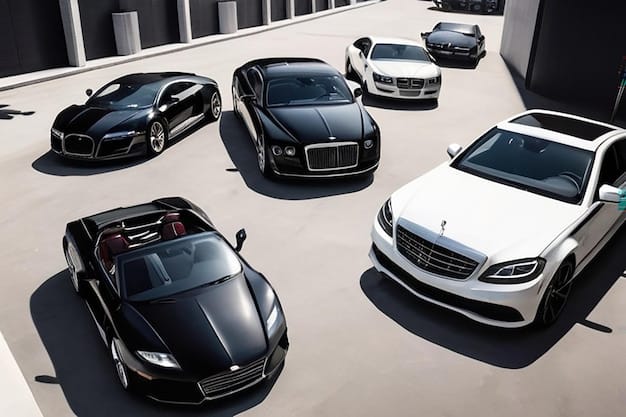
India opens its doors to European luxury cars in a historic trade milestone.
India EU Trade Deal negotiations have reached a major milestone regarding automobile import duties. Reports suggest that India will soon reduce its high tariffs on European cars to 40%. This move comes after years of intense and often difficult discussions. Reuters reported on India’s plan to slash tariffs on European luxury cars. Both parties seek to boost bilateral trade significantly through this agreement. This decision marks a major shift in India’s long-standing protectionist stance. Consequently, European carmakers will find it much easier to enter the Indian market. The global market is watching these specific developments very closely.
Significant Impact of the India EU Trade Deal on Automotive Sector
For many years, India maintained very high import taxes on vehicles. Some luxury cars faced duties as high as 100%. However, the India EU Trade Deal will change this landscape. A 40% tariff is a substantial reduction from previous levels. This change specifically targets cars imported as completely built units. Therefore, brands like Volkswagen, BMW, and Mercedes stand to gain. They have long asked for lower barriers to entry.
Moreover, this reduction encourages healthy competition within the local market. Indian consumers will soon have more choices at better prices. Additionally, European manufacturers might increase their service networks in India. This move could lead to more jobs in the retail sector. The deal reflects a growing trust between the two economic powers. Furthermore, it shows India’s readiness to integrate into global supply chains. As a result, the automotive sector expects a surge in luxury car sales.
Why the India EU Trade Deal Matters for the Global Economy
The global economy currently faces many uncertainties and trade shifts. Thus, the India EU Trade Deal provides a sense of stability. It proves that large economies can still find common ground. Furthermore, this deal is not just about cars. It sets a precedent for other sectors like wine and dairy. Specifically, it shows that India is willing to negotiate on sensitive items.
Consequently, other nations may seek similar agreements with New Delhi soon. Investors are already reacting positively to this news. The Indian stock market saw gains in the automotive index today. Similarly, European industrial stocks showed signs of recovery. Therefore, the ripple effects are being felt across international markets. This agreement strengthens the economic ties between the East and the West. It also reduces the reliance on a single dominant trade partner.
Timeline and Progress of the India EU Trade Deal Negotiations
The journey to this agreement was certainly not easy. Negotiations for a free trade pact started many years ago. However, talks frequently stalled over various complex issues. For instance, professional visas and agricultural access were major sticking points. Nevertheless, both sides remained committed to the dialogue recently. The urgency to diversify trade grew after recent global supply disruptions.
Consequently, the negotiators focused on the most impactful sectors first. The automotive sector was always a top priority for the EU. In exchange, India seeks better access for its service professionals. This “give and take” approach finally broke the long-standing deadlock. Therefore, the 40% tariff cap is seen as a fair compromise. It protects local manufacturers while inviting foreign high-end brands.
Consumer Benefits under the India EU Trade Deal
The average car buyer in India will feel the impact. High-end cars will become more affordable for the middle class. Specifically, the price of imported SUVs could drop by millions of rupees. Therefore, the luxury segment might see record-breaking growth this year. Moreover, this deal promotes the adoption of better technology. European cars often come with advanced safety and emission features.
Consequently, Indian roads could become safer and cleaner over time. Additionally, local players might upgrade their technology to stay competitive. This competition drives innovation across the entire industry. As a result, every consumer wins in the long run. Furthermore, the availability of spare parts will likely improve. This is because higher sales volumes justify better local logistics. Consequently, maintaining a European car will become less expensive.
Challenges and Future Outlook for Trade Relations
Despite the excitement, some challenges still remain on the horizon. Local Indian manufacturers might worry about the increased competition. They have enjoyed protection from high tariffs for several decades. Therefore, the government must balance the needs of all stakeholders. However, the phased reduction of tariffs offers them time to adapt.
Additionally, both regions must ensure the implementation goes smoothly. Customs procedures need to be simplified to reflect the new rates. Consequently, digital trade platforms will play a crucial role. Furthermore, the India EU Trade Deal could expand into digital services. This would open even more doors for Indian tech companies. The future of Indo-European relations looks brighter than ever before. Therefore, this car tariff cut is just the beginning of a new era.
Strategic Importance of Lowering Trade Barriers
Reducing tariffs is a bold strategic move for India. It signals a departure from the “closed market” reputation. Moreover, it aligns with the “Make in India” initiative. By inviting global brands, India becomes a hub for high-end engineering. Consequently, these companies might eventually set up local assembly lines. This would further reduce costs and create thousands of jobs.
Furthermore, the EU is India’s second-largest trading partner. Therefore, strengthening this bond is vital for national growth. The deal also includes provisions for sustainable development. Both parties agreed to respect climate goals during their trade. Specifically, they will promote the trade of electric vehicle components. As a result, this deal supports the global transition to green energy. It is a comprehensive plan for a shared future.
Conclusion: A New Chapter in Global Commerce
The announcement of the 40% tariff is a historic win. It balances the interests of European exporters and Indian regulators. Furthermore, it highlights the power of persistent diplomacy. The markets have already given a “thumbs up” to the news. Consequently, we expect to see more European cars on Indian streets soon. This deal is a testament to India’s rising economic influence.
Therefore, the global trade community should take note of this shift. It marks the start of a more open and integrated economy. Additionally, it provides a roadmap for future trade negotiations. Consumers, investors, and manufacturers all have reasons to celebrate today. The road ahead looks clear and very promising for both nations. As a result, the world economy gains a much-needed boost.