
Affiliate Disclosure: As an Amazon Associate, we earn from qualifying purchases. This post contains affiliate links, which means we may receive a commission at no extra cost to you.
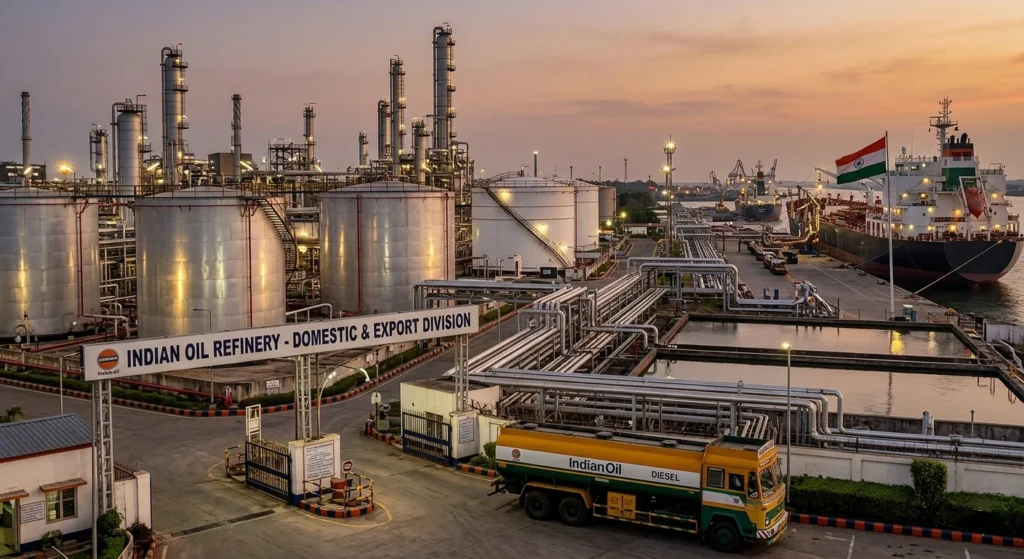
Secure your fuel future: India implements a new Fuel Export Duty to shield citizens from the global oil crisis
The Indian government has taken a massive step to secure domestic energy. New export duties on diesel and turbine fuel are now in place. This move comes as the Middle East crisis creates global ripples. Officials expect to collect over 1,500 crore rupees in just two weeks. This decision aims to keep fuel supplies steady for Indian citizens. It also shows a strong focus on national energy security.
Fuel Export Duty: Why the Government Acted Now
The global energy market is facing major shifts right now. Tensions in the Middle East have pushed oil prices to new heights. To protect the local market, India has introduced a Fuel Export Duty. This duty applies specifically to diesel and aviation turbine fuel. By taxing exports, the government encourages companies to sell more fuel within India.
This policy change is not just about tax revenue. It is about making sure that every petrol pump in India has enough stock. The CBIC chairman confirmed this move on Friday. He stated that the primary goal is domestic availability. When global prices rise, private companies often prefer selling abroad. The Fuel Export Duty acts as a barrier to this trend. It ensures that the needs of Indian drivers and airlines come first.
Revenue Gains and the 1,500 Crore Target
The financial impact of this decision is quite significant. The government eyes a collection of over 1,500 crore rupees. This target is set for a short period of just fifteen days. Such a high collection shows the scale of fuel trade in the region. The revenue will help the state manage the economic pressure of high oil prices.
- The duty targets diesel and turbine fuel exports.
- Estimated revenue is over 1,500 crore in a fortnight.
- This money supports the national budget during global instability.
- It helps balance the costs of energy imports.
The Fuel Export Duty is a strategic tool for the finance ministry. It allows the government to capture a share of the high global margins. At the same time, it keeps a check on the outflow of essential energy resources. This balance is vital for maintaining a stable economy.
Impact of Fuel Export Duty on Domestic Prices
Many citizens worry about rising costs at the pump. However, the government has paired this duty with other relief measures. They have reduced special excise duties on petrol and diesel. This was done to help Oil Marketing Companies (OMCs) handle losses. As a result, retail prices for consumers are expected to remain steady.
The reduction in excise duty is a big win for the public. Specifically, the duty on petrol was cut to 3 rupees per litre. For diesel, the excise duty was brought down to zero. These steps show that the Fuel Export Duty is meant to fund domestic stability. The government is using export taxes to offset the burden on local consumers.
Energy Security and the Middle East Crisis
The situation in the Middle East is the main driver behind these changes. Iran has tightened control over the Strait of Hormuz. This area is a critical path for global oil shipments. Because of this, India must be very careful with its energy stocks. The Fuel Export Duty is a key part of the plan for energy security.
To manage the crisis, a new inter-ministerial group has been formed. This group is led by Defence Minister Rajnath Singh. Other top ministers like Amit Shah and Nirmala Sitharaman are also involved. They are monitoring the global situation very closely. Their goal is to prevent any fuel shortage in the country. The Fuel Export Duty provides them with the leverage needed to keep fuel within our borders.
Global Oil Prices and Market Reaction
While India adjusts its taxes, global prices remain volatile. Brent crude recently surged to 108 dollars per barrel. However, it saw a slight dip after news of talks between the US and Iran. Even with this dip, prices are much higher than last year. The Fuel Export Duty remains necessary as long as global markets stay unpredictable.
Private fuel retailers in India are already feeling the heat. Nayara Energy recently raised its prices at some pumps. They cited rising costs due to the Middle East conflict. This is exactly why the government is stepping in. By using the Fuel Export Duty, the state can monitor the flow of fuel more effectively. It prevents a situation where domestic supply runs low while exports continue.
- Global crude prices reached 108 dollars recently.
- The Strait of Hormuz remains a major concern for supply.
- Domestic retailers are struggling with high input costs.
- The government group is meeting regularly to review fuel stocks.
The Future of Fuel Policy in India
Looking ahead, the government will likely review these duties every two weeks. This “windfall tax” approach allows for flexibility. If global prices fall, the Fuel Export Duty might be reduced. If the crisis worsens, the duty could stay or even increase. This dynamic strategy keeps the Indian economy resilient.
In conclusion, the new levies are a shield for the common man. They ensure that fuel stays available and prices stay under control. The 1,500 crore collection is a welcome bonus for the treasury. Most importantly, it sends a clear message. India will prioritize its own energy needs during global turmoil. The Fuel Export Duty is a bold but necessary step in today’s world.
Pro Tip to Save Money: To combat rising costs, ensure your vehicle’s tires are always at the right pressure for better mileage; a portable tool like the Qubo Smart Tyre Inflator makes it easy to maintain efficiency from home.